Italy: The Stelvio Pass
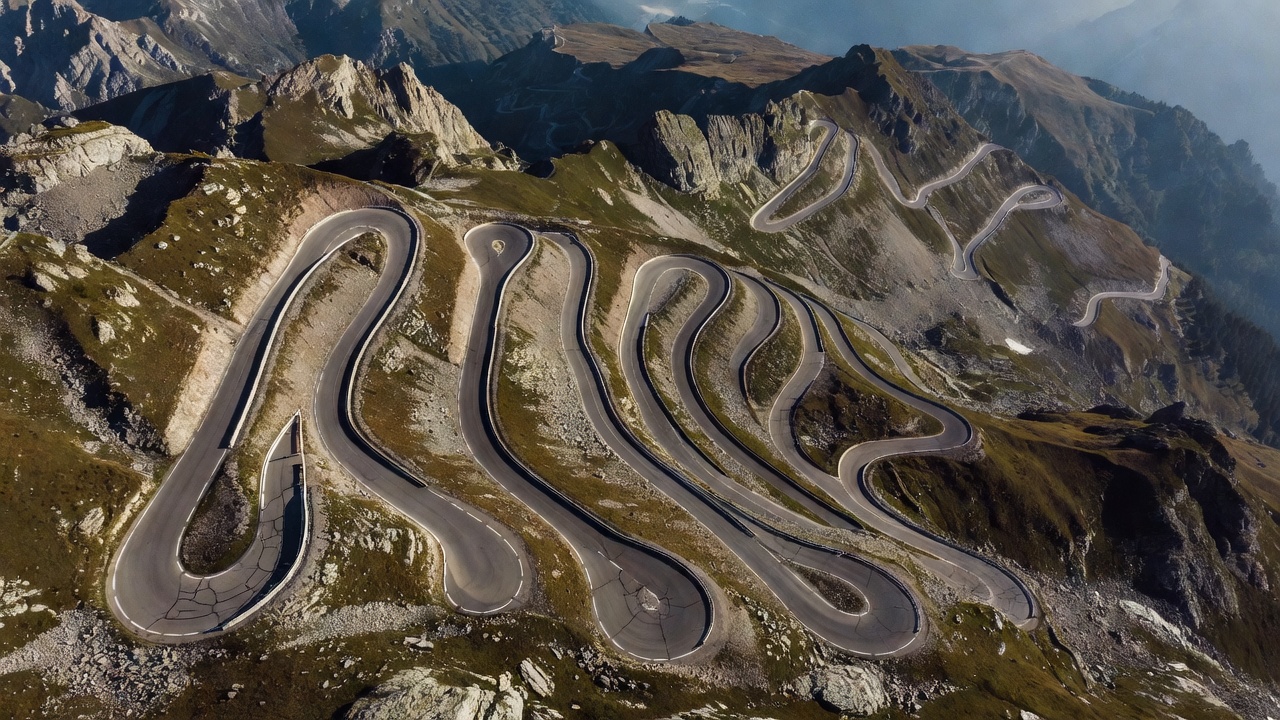
Few stretches of tarmac command the respect and global recognition of the Passo dello Stelvio. Located in northern Italy, bordering Switzerland, this mountain pass is an exercise in extreme engineering and relentless elevation gain. For the driving enthusiast, it represents one of the ultimate technical challenges available on public roads.
The road itself was originally carved out in the early 19th century by the Austrian Empire to connect the former Austrian province of Lombardia with the rest of Austria. Today, it stands as a monument to driving purity, demanding absolute attention and punishing those who underestimate its severe gradients and acutely tight corners.
The Route & Geography
At 2,757 meters (9,045 feet) above sea level, the Stelvio Pass is the highest paved mountain pass in the Eastern Alps, and the second highest in the Alps. The classic approach is from the northern side, starting in Prato allo Stelvio. This face of the mountain features the famous 48 hairpin turns (tornanti), which are systematically numbered on stone markers counting down to the summit.
The climb is dramatic. You begin in dense, alpine forested sections before breaking above the tree line. Here, the landscape transforms into a stark, rocky amphitheater where the ribbon of road is fully visible, draped precariously across the mountainside. The sheer drop-offs and low stone walls offer minimal reassurance, amplifying the sense of exposure.
Driving Dynamics & Technical Specifications
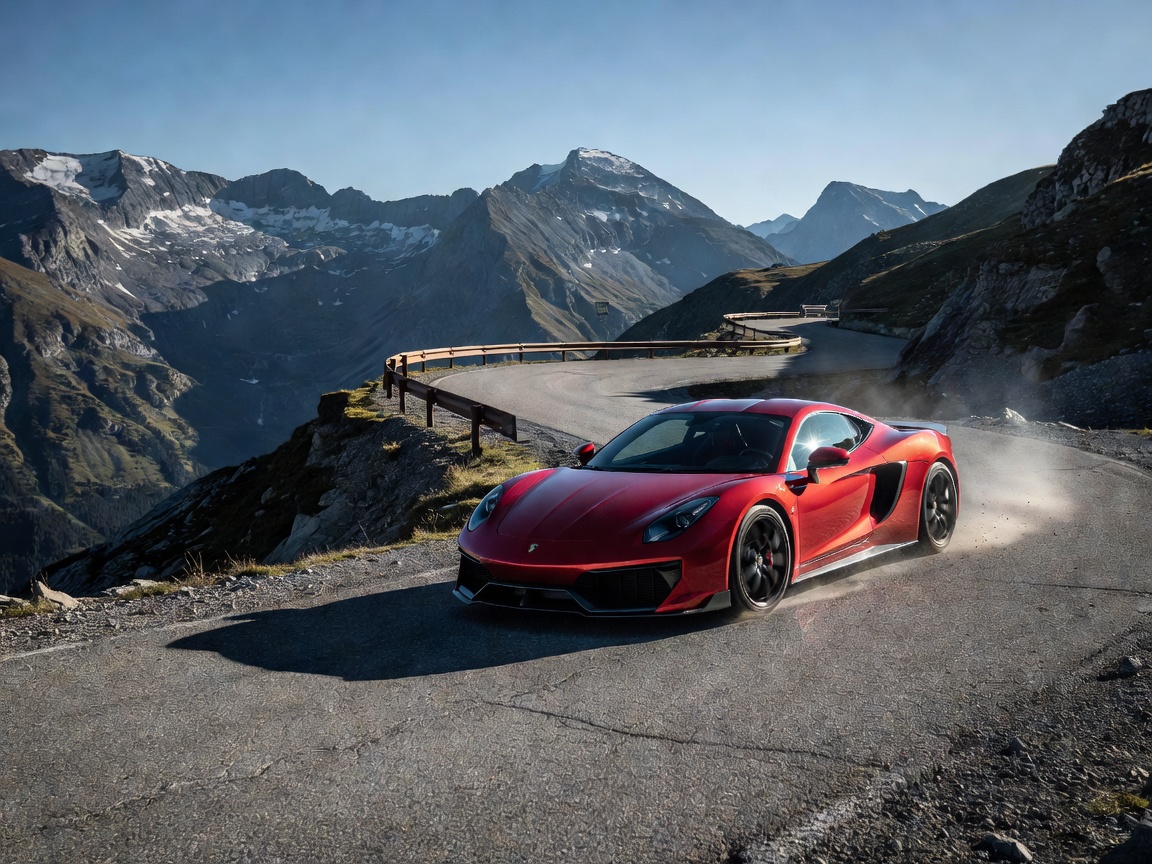
This is not a road for sustained high speeds. The Stelvio Pass is deeply technical. The straights between the 48 hairpins on the northern face are remarkably brief, meaning the rhythm of the drive is a constant cycle of heavy braking, trail-braking into acute cambers, and feeding in the throttle on exit to power up the severe inclines.
A smaller, agile vehicle is heavily favored here. Large grand tourers or wide supercars will find the hairpins uncomfortably tight, often requiring three-point turns if a bus or cyclist is encountered mid-corner. A nimble, lightweight sports car or an engaging hot hatchback provides the optimal footprint for thread-the-needle precision required on this pass.
Pros and Cons
The Pros: The historical significance and sheer dramatic scenery are unmatched. Successfully maintaining a rhythm up the 48 hairpins is immensely rewarding. The view from the summit, looking back down the valley at the road you have just conquered, is iconic.
The Cons: Popularity is the Stelvio's biggest enemy. During peak summer months, the pass is heavily congested with tourists, cyclists, campervans, and motorcycles. The road surface can also suffer from harsh winter frost damage, leading to uneven sections that demand robust suspension damping.
Practicalities & When to Go
Because of its altitude, the Stelvio Pass is completely closed during the winter, typically from November until late May or early June, depending on snowfall. The optimal time to drive it is during the shoulder seasons—late June or September.
If you must visit during July or August, the only way to experience the road as intended is to set your alarm exceptionally early. Being at the base of the pass by 5:30 AM is essential to secure a clear run to the summit before the traffic builds. At the top, you will find a vibrant, slightly chaotic atmosphere filled with food stands (the bratwurst is a local tradition) and fellow enthusiasts comparing routes.