Scotland: The North Coast 500
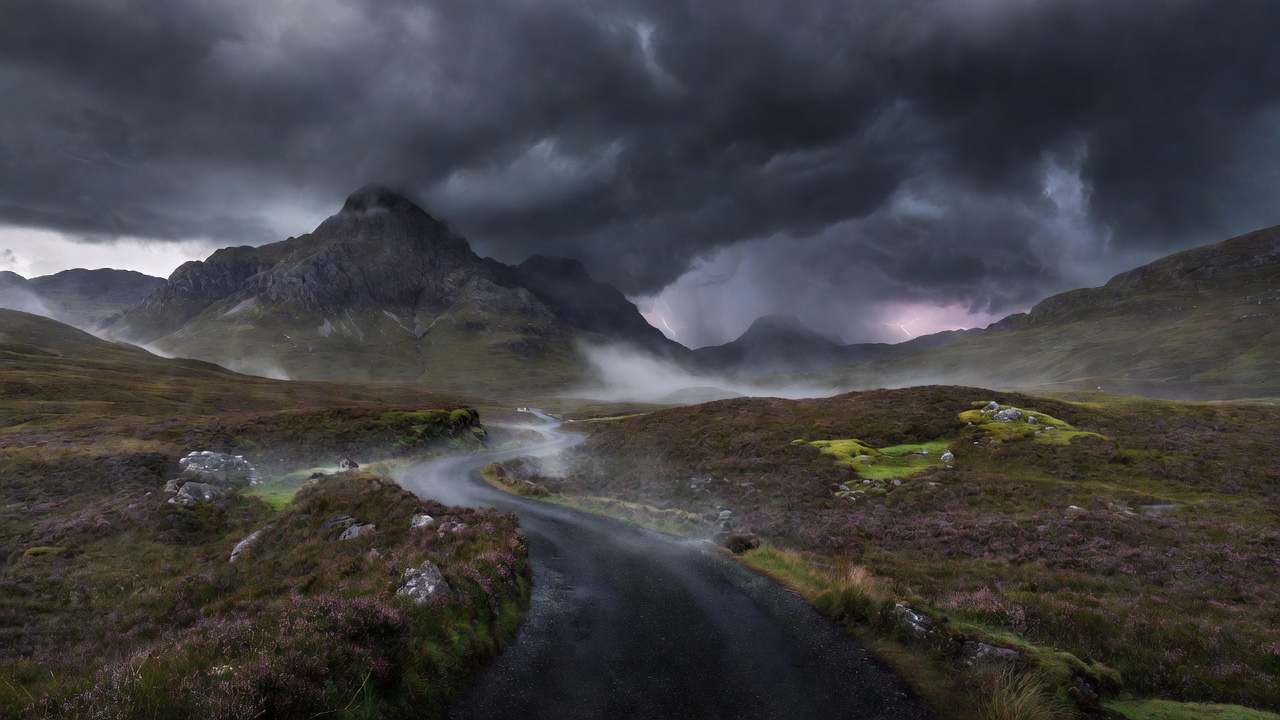
If the Alpine passes are short, intense bursts of adrenaline, the North Coast 500 is a marathon of endurance and rugged beauty. Often billed as Scotland’s answer to Route 66, this 516-mile circular route begins and ends at Inverness Castle, weaving through the remote northern edges of the Scottish Highlands.
This is not a single, purpose-built highway, but rather a curated collection of existing A-roads, B-roads, and delicate single-track lanes. It offers an ever-shifting canvas of lochs, glens, castles, and battered coastlines, demanding a completely different mindset from the driver compared to traditional mountain passes.
The Route & Geography
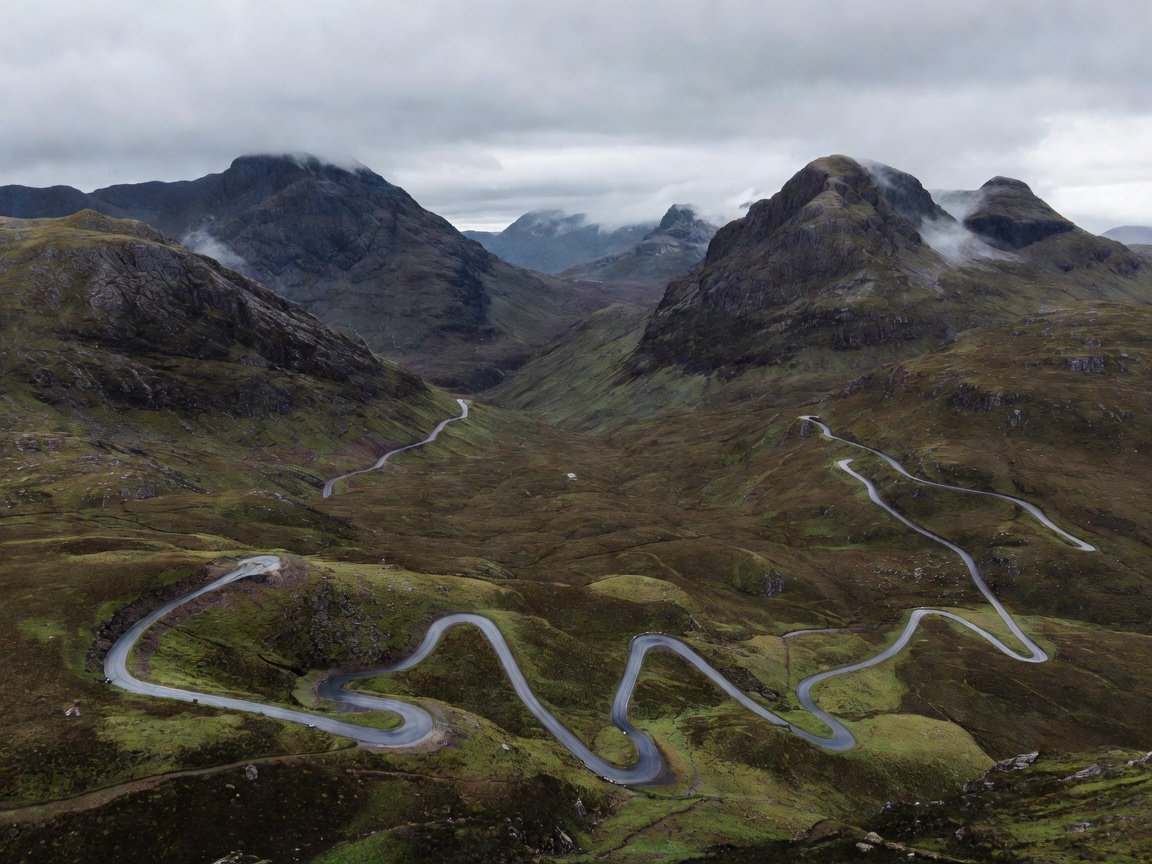
The standard progression takes drivers clockwise or counter-clockwise from Inverness. Heading west towards Applecross introduces you to the Bealach na Bà, a historic pass carved into the mountainside that boasts the steepest ascent of any road in the UK. This section alone justifies the trip, climbing from sea level to 2,054 feet via a series of tight switchbacks.
Continuing north, the landscape becomes increasingly desolate and striking. The western coast features white sand beaches that look remarkably tropical despite the biting wind, while the northernmost stretch—passing through Durness and John o' Groats—feels like the very edge of the earth. The eastern descent down the A9 is faster and more sweeping, contrasting sharply with the technical west coast.
Driving Dynamics & Technical Specifications
The NC500 is a test of patience, observation, and respect for local etiquette. Vast sections of the western route are single-track roads with designated passing places. This demands a cooperative driving style, constantly scanning the horizon for oncoming vehicles and judging passing distances.
Vehicle selection is crucial here. While supercars do complete the route, their width and low ground clearance can make the single-track roads and undulating tarmac highly stressful. The ideal vehicle is a compliant, well-damped sports coupe, an engaging estate, or a spirited hot hatch that can absorb the crests, dips, and rough surfaces while remaining narrow enough to navigate passing places with ease.
Pros and Cons
The Pros: The variety of corners and landscapes is unparalleled in Europe. It offers coastal roads, mountain passes, and sweeping moorland sprints all within a few hours of each other. The driving culture, when respected, is highly rewarding.
The Cons: The route has become a victim of its own success. The summer months see convoys of large motorhomes struggling to reverse on single-track roads, significantly slowing progress. Furthermore, the weather is famously unpredictable; heavy rain and low visibility can strike at any time of year.
Practicalities & When to Go
Avoid July and August. The roads are congested, and the notorious Scottish midges are at their peak. Late April, May, or early October provide the best balance of manageable traffic, decent light, and autumnal or spring colors.
Do not attempt to drive the NC500 in two days. To appreciate the rhythm of the roads and the scenery, allocate a minimum of four to five days. Fuel stops require planning, as petrol stations in the north-west are sparse and often close early. Treat the NC500 not as a track, but as an expedition.