Norway: Atlantic Road & Trollstigen
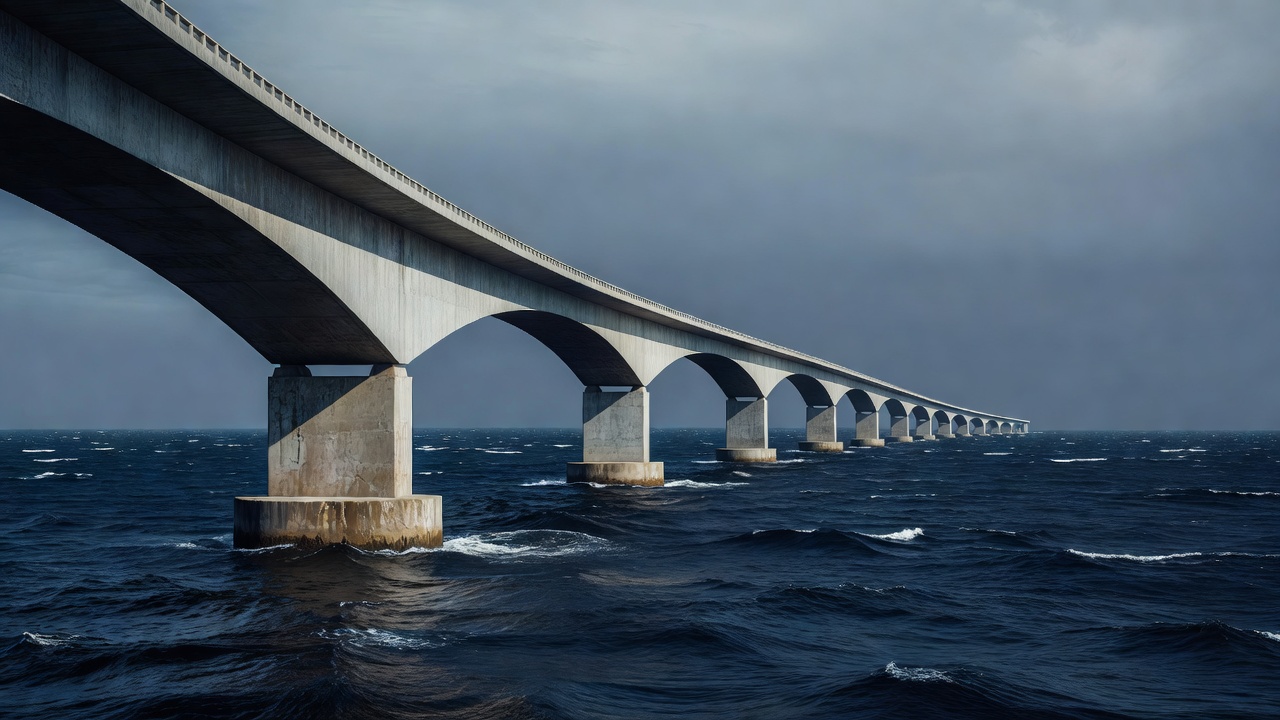
Norway is a country defined by formidable geography. To build a road network here requires a defiance of nature, resulting in stretches of tarmac that function as much as architectural statements as they do transport links. Two adjacent routes in the Møre og Romsdal county highlight this perfectly: the wave-skimming Atlantic Ocean Road (Atlanterhavsveien) and the vertically punishing Trollstigen (The Troll's Path).
Linking these two within a single day’s drive provides a masterclass in contrasting engineering. One dances across scattered archipelagos using dramatic cantilevered bridges, while the other relentlessly cuts its way up a sheer mountain face, carving 11 brutal hairpins into solid rock.
The Route & Geography
The Atlantic Ocean Road is relatively brief—a mere 8.3 kilometers—but its visual impact is staggering. It connects the island of Averøy with the mainland via eight bridges. The crown jewel is the Storseisundet Bridge, known for its optical illusion approach that makes it appear as though the road simply drops off into the sea. During autumn storms, Atlantic waves crash directly over the tarmac, turning a scenic drive into a naval engagement.
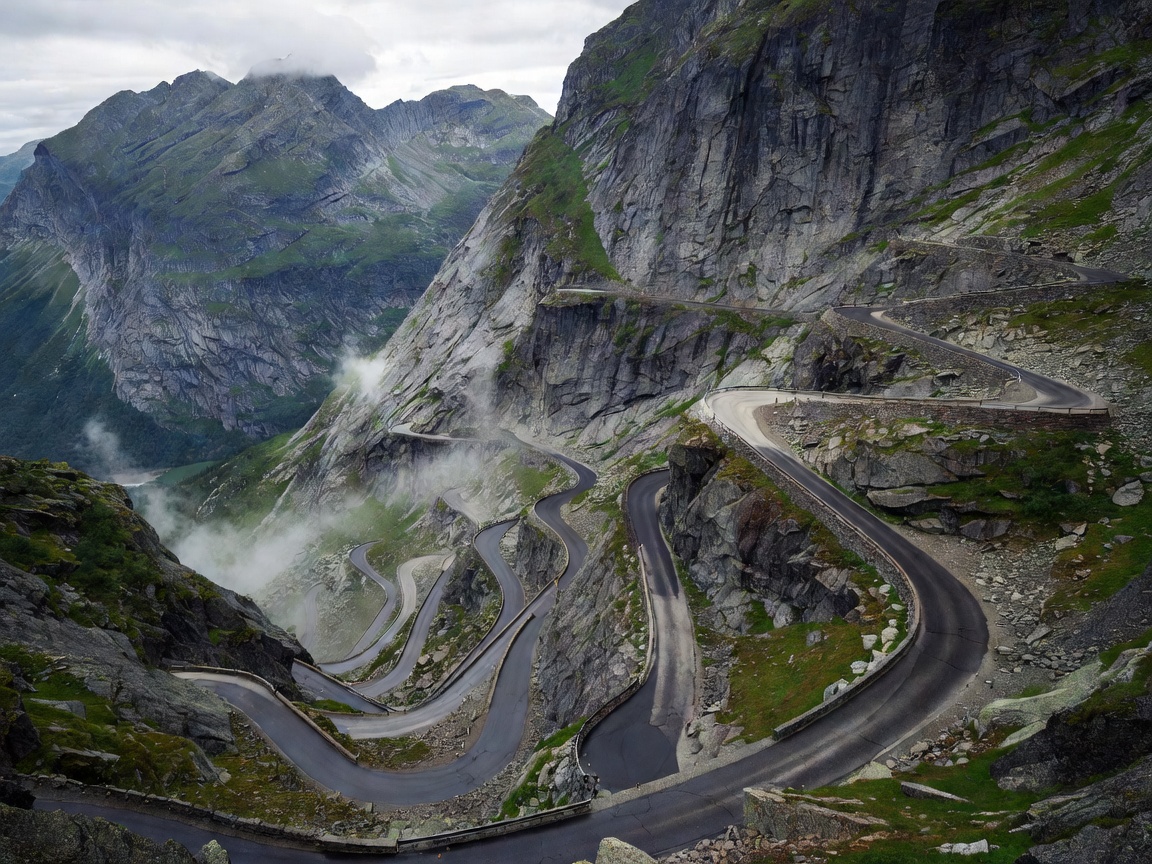
Just a couple of hours inland lies Trollstigen. Guarded by towering peaks such as Bispen (The Bishop) and Kongen (The King), the road ascends a 9% gradient via 11 sharply angled hairpins. A cascading waterfall, Stigfossen, cuts directly through the route, misting the road surface and adding to the sensory overload.
Driving Dynamics & Technical Specifications
These two roads demand versatility. The Atlantic Road is flowing and smooth, requiring a vehicle planted enough to resist severe crosswinds that rip off the Norwegian Sea. High-sided vehicles can become genuinely unstable here in poor weather.
Conversely, Trollstigen is an exercise in traction and turning circles. The hairpins are built over stone retaining walls and are exceptionally tight. A modern, all-wheel-drive performance estate or a punchy rally-replica offers the ideal combination of grip for the damp mountain surface and agility for the acute corner angles.
Pros and Cons
The Pros: The engineering aesthetic is unmatched. The juxtaposition of driving directly over the ocean in the morning and scaling a near-vertical cliff face in the afternoon is a unique geographic privilege.
The Cons: Strict Norwegian speed limits and heavy fines mean this is not an environment for exploring the upper limits of your rev range. Furthermore, the tourist bus traffic on Trollstigen can bring movement to a complete standstill, as buses require the entire width of the hairpins to maneuver.
Practicalities & When to Go
Trollstigen is strictly a seasonal route. It typically opens in late May and closes when the first heavy snows arrive, usually in late October or November. The Atlantic Road is open year-round, though winter crossings require serious respect for the elements and appropriate tires.
The finest light occurs during the Norwegian summer, where the sun barely sets. Driving Trollstigen at midnight in June, bathed in twilight and devoid of tourist coaches, is an ethereal motoring experience that stands apart from anything else in Europe.